
Youth Deer Hunting in Kentucky: A Preseason Checklist for Families
John Rood Aug 20, 2026
Youth deer season can become a lasting family tradition, but opening morning should not be the first time a young hunter works through the complete setup. A rifle that feels manageable at the counter may feel very different from a field position. An optic that looks clear may still need adjustment. Even a familiar rifle deserves a final zero check with the ammunition that will be carried hunting. Kentucky’s 2026 youth-only firearms deer season is scheduled for October 10–18. That provides a clear deadline, but the best preparation is gradual. Short, focused practice sessions give a young hunter time to develop safe habits, learn the equipment and build confidence without unnecessary pressure. Always review the current Kentucky Department of Fish and Wildlife Resources information before hunting because licenses, zones, bag limits and public-land rules may apply differently to each situation.
Begin with the hunter, not the equipment list
The first question is not which rifle, caliber or scope looks best. It is whether the young hunter can comfortably control the complete setup.
Check that the stock length allows the shooter to shoulder the rifle without stretching. The firing hand should reach the trigger naturally, and the supporting hand should be able to control the fore-end. Confirm that the hunter can operate the safety, bolt or action while keeping the muzzle pointed in a safe direction.
Weight matters too. A rifle that is steady from a bench may become difficult to manage while standing, sitting or using shooting sticks. Heavy outerwear can also change stock fit and eye relief, so repeat the fit check while the hunter is wearing clothing similar to what will be used in the field.
Choose an optic the hunter can use consistently
More magnification is not automatically better for a young hunter. A broad, easy-to-find sight picture and comfortable eye position are often more useful than extra power.
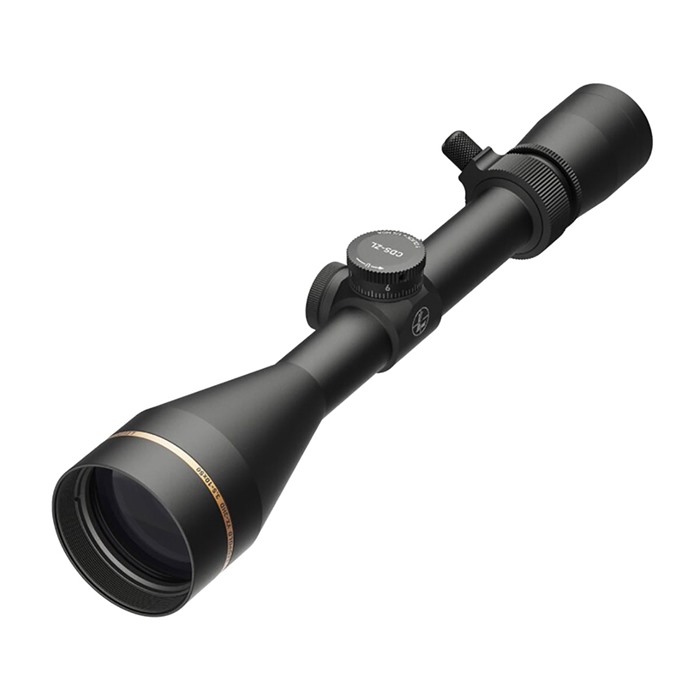
Set the optic’s eye relief from the actual shooting position rather than trying to make the shooter adapt to an existing mount. Verify that the full sight picture appears immediately when the rifle is shouldered. If the shooter has to crawl forward on the stock or repeatedly lift and reposition the head, the mounting position may need attention.
Teach the hunter how magnification affects field of view. Starting at a lower setting can make it easier to locate an animal and maintain awareness of the surroundings. Any illuminated reticle, side-focus control or adjustable turret should be explained and practiced before the hunt rather than introduced in the field.
Make the first range session about safe operation
A young hunter does not need a high round count to have a productive practice session. Begin with an unloaded rifle and rehearse the full sequence: establish a stable position, confirm the muzzle direction, operate the safety, load only when directed and remove the finger from the trigger after the shot.
Once live fire begins, keep the pace unhurried. Watch for fatigue, flinching or difficulty maintaining the shooting position. A few carefully executed shots can teach more than continuing after the shooter is tired.
The accompanying adult should remain close enough to take immediate control when required and should provide simple, consistent instructions. The objective is not merely to hit the target. It is to build a repeatable process the hunter can follow under field conditions.
Confirm zero with the complete hunting setup
Do not assume a rifle is ready because it was zeroed last year or because a scope was recently mounted. Verify the mounting hardware, inspect the rifle and confirm the zero with the same ammunition intended for the hunt.
After establishing a reliable bench zero, let the young hunter shoot from realistic supported positions. A field rest, shooting sticks or the edge of a blind can change how the rifle feels and how steadily it can be held. Practice should focus on the likely distance and conditions of the planned hunt rather than on stretching the equipment or shooter beyond a comfortable range.
Finish by recording the ammunition used, the confirmed point of impact and the date. That simple note can prevent confusion during a later range visit.
Discuss shot decisions before seeing a deer
Young hunters benefit from clear expectations established before the excitement of a hunt. Discuss the safe direction of fire, the intended shooting area and the features that define an acceptable shot. Make it clear that passing on a shot is a responsible decision.
The adult and youth should agree on simple communication. Decide who identifies the deer, who confirms that a shot is permitted and what words will be used to stop the process. Review what to do if the deer moves, another animal enters the area or the hunter loses a stable position.
This conversation should also cover what happens after a shot, including keeping the firearm pointed safely, engaging the safety when appropriate and waiting for the adult’s direction before moving.
Prepare clothing and field gear as a system
Hunter orange should be treated as required equipment, not a last-minute accessory. For Kentucky’s youth firearms season, both the youth hunter and accompanying adult need compliant hunter orange visible on the head, back and chest. Check that outer layers do not cover it.
Pack only useful items the hunter can manage: hearing protection, eye protection for range work, weather-appropriate clothing, water, a small first-aid kit and any necessary licenses or proof of purchase. If using a blind, rest or shooting sticks, practice with that equipment beforehand.
Public hunting areas can have rules that differ from general statewide seasons. Confirm that the property is open, determine whether check-in or special restrictions apply and review the current official information before leaving home.
Use the final week for confirmation, not major changes
The week before the hunt is the wrong time to introduce an unfamiliar rifle, completely change an optic setup or attempt to solve a serious fit problem. Complete those decisions early enough to allow meaningful practice.
Use the final days to inspect the setup, confirm that lenses are clean, organize required documents and review the plan. If another range visit is needed, make it a short confirmation session rather than an exhausting final test.
A calm opening morning usually comes from preparation that was completed in small steps. When the young hunter understands the equipment, the safety process and the plan for the day, the family can focus on the experience instead of preventable problems.
Pre-Season Checklist
- Confirm the current season dates and official regulations.
- Verify the hunter’s license and deer permit requirements.
- Check rifle fit while the hunter wears field clothing.
- Adjust the optic for comfortable eye relief.
- Practice loading, unloading and safety operation.
- Confirm zero with the intended hunting ammunition.
- Rehearse supported shooting positions at realistic distances.
- Pack compliant hunter orange for the youth and adult.
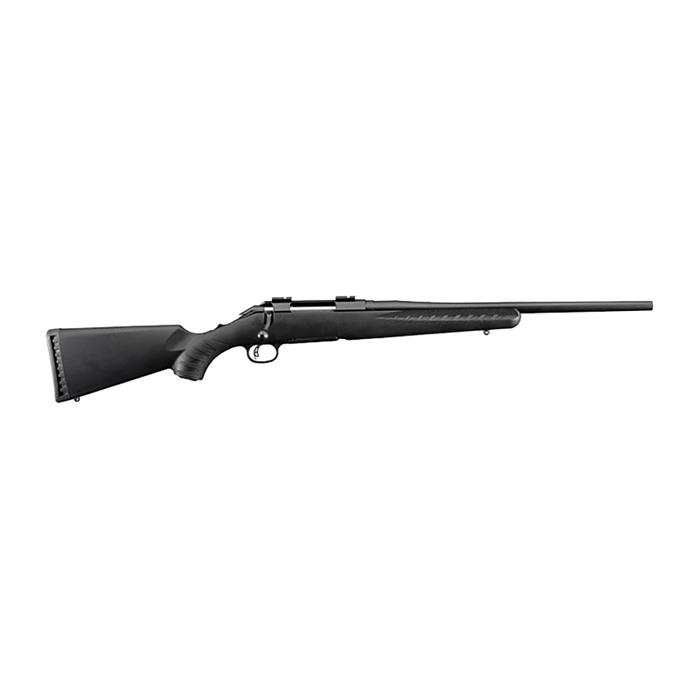
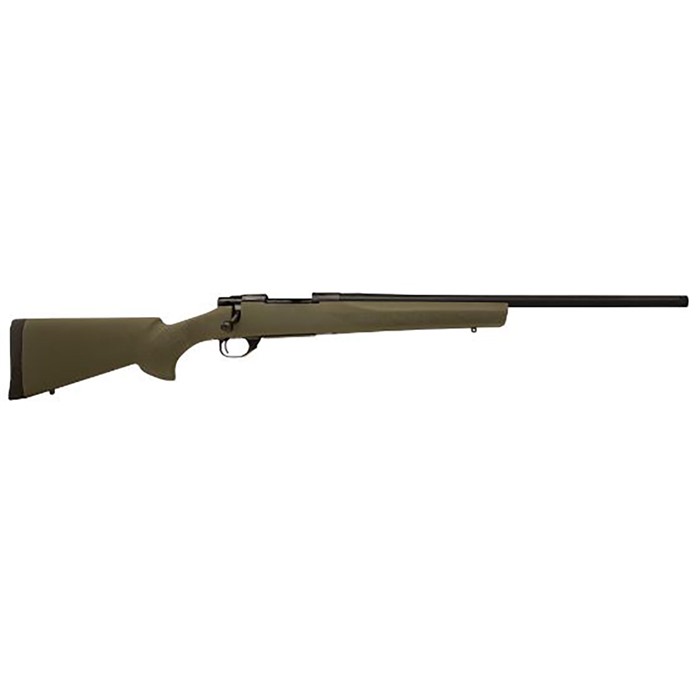
Hunting Rifles
A dependable hunting rifle should fit the shooter, the terrain, and the distances you actually expect to encounter.
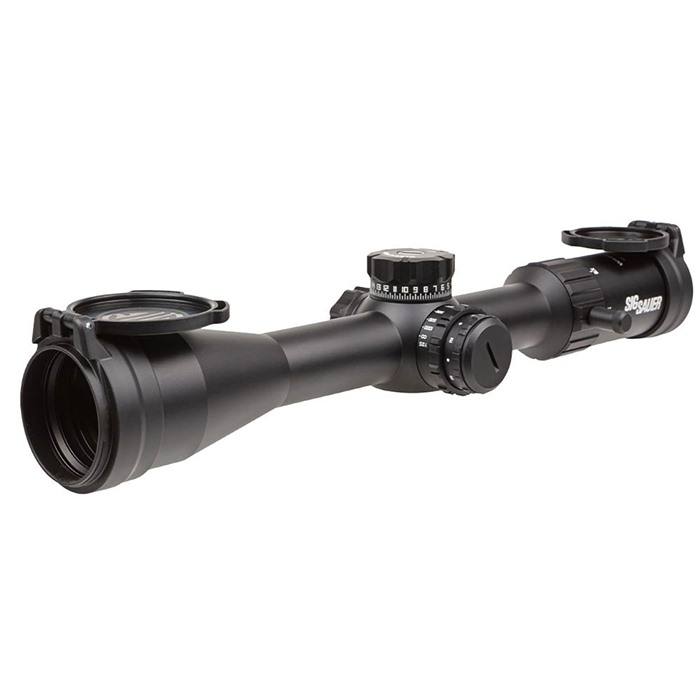
Optics
Good glass and a verified zero deserve attention well before opening morning.
Get Ready Locally
Madisonville Gun Company can help with equipment questions, training, and range time as you prepare for the season.
Guns. Training. Community.
Store & Range Hours
Tuesday - Sunday
9am - 6pm