
Kentucky Modern Firearms Deer Season 2026
John Rood Aug 19, 2026

Deer-season preparation is not just a matter of firing a few rounds at a paper plate. A hunting rifle is a complete system: the rifle must fit the shooter, the optic and mounts must remain secure, the ammunition must function consistently, and the hunter must be able to make a responsible shot from a realistic field position. Working through those details early leaves time to correct problems and gives every member of the hunting party more confidence when the season arrives.
Start With the Current Rules for Your Hunting Location
Before working on equipment, confirm the season dates, deer zone, bag limits, license and permit requirements, legal equipment, hunter-orange rules, and harvest-reporting process that apply to the property you will hunt. Private land, wildlife management areas, quota hunts, and other public properties may not follow identical rules. Kentucky Fish and Wildlife lists November 14-29, 2026, for the modern firearms deer season, but regulations remain subject to change. Treat the current Kentucky hunting guide and the rules for your specific property as the final sources.
Make Sure the Rifle Fits the Hunter
A hunter should be able to shoulder the unloaded rifle naturally, reach the trigger without stretching, operate the safety, and obtain a full sight picture without shifting the head around the stock. Fit becomes especially important for younger hunters, smaller-framed adults, and anyone wearing heavy late-fall clothing. Compact dimensions and a shorter length of pull can help some shooters maintain control, while a longer or heavier rifle may feel steadier to others. Choose according to the shooter and the hunting conditions rather than assuming one configuration suits everyone.
Inspect the Rifle, Optic, and Mounting System
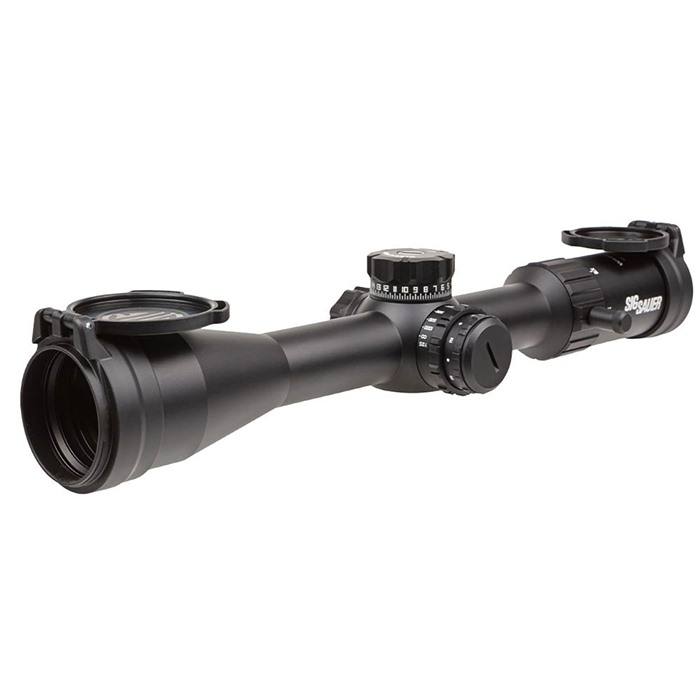
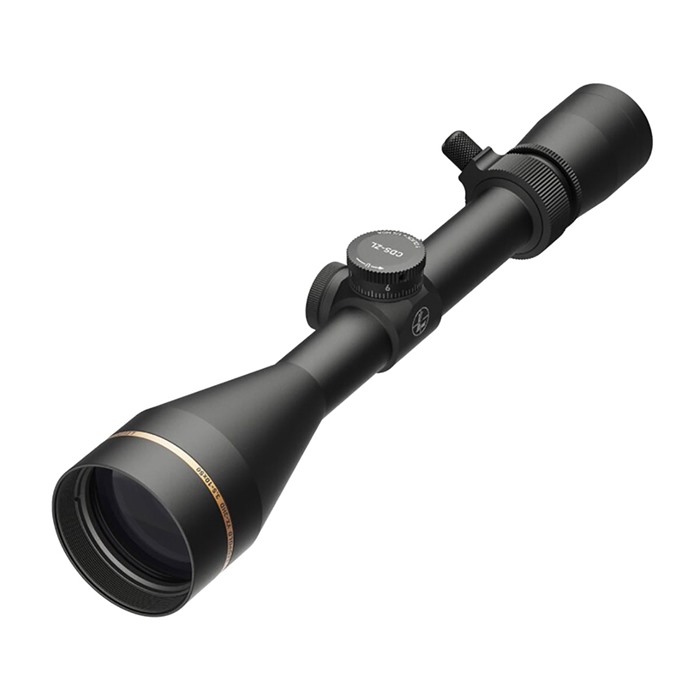
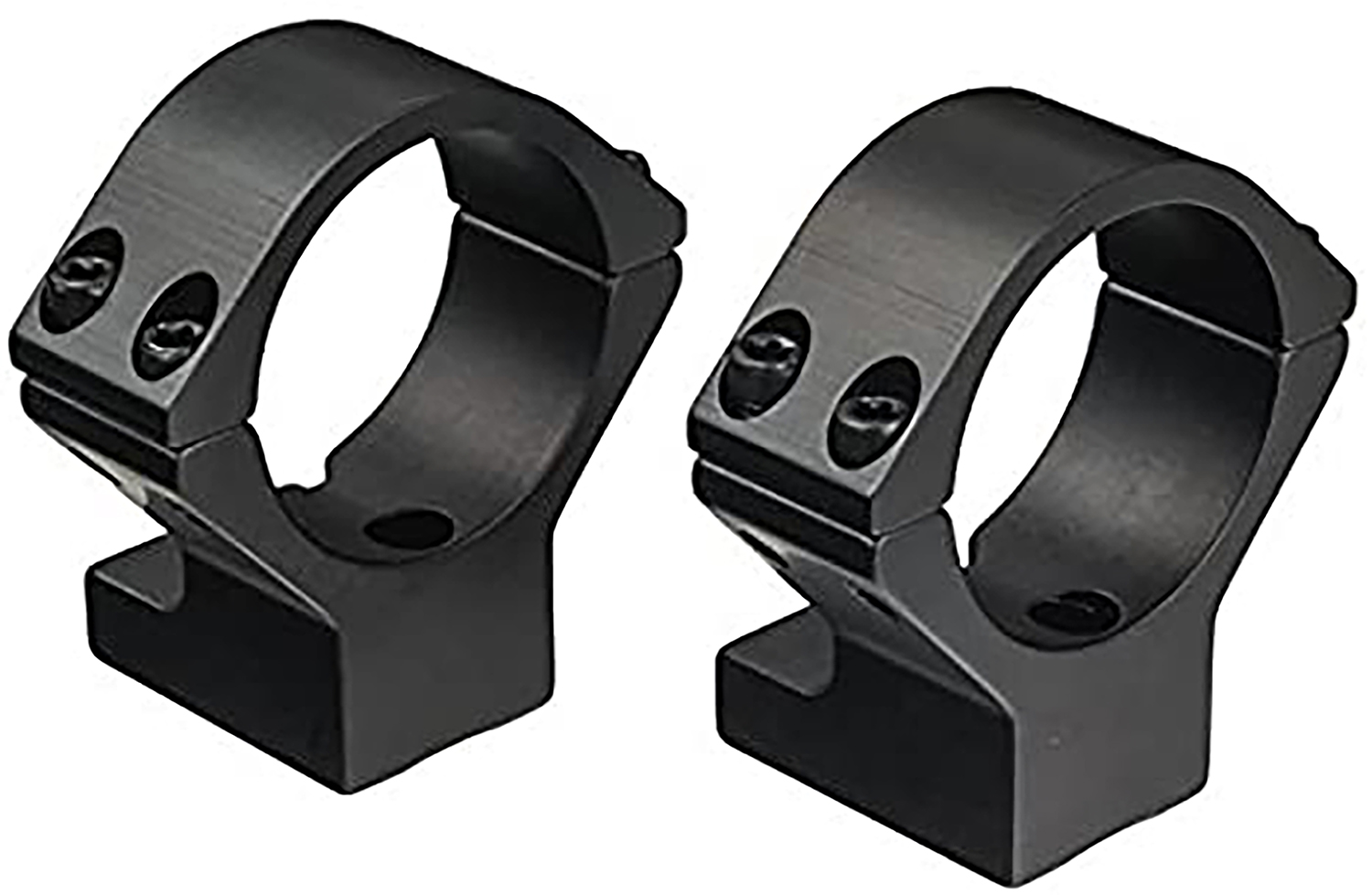
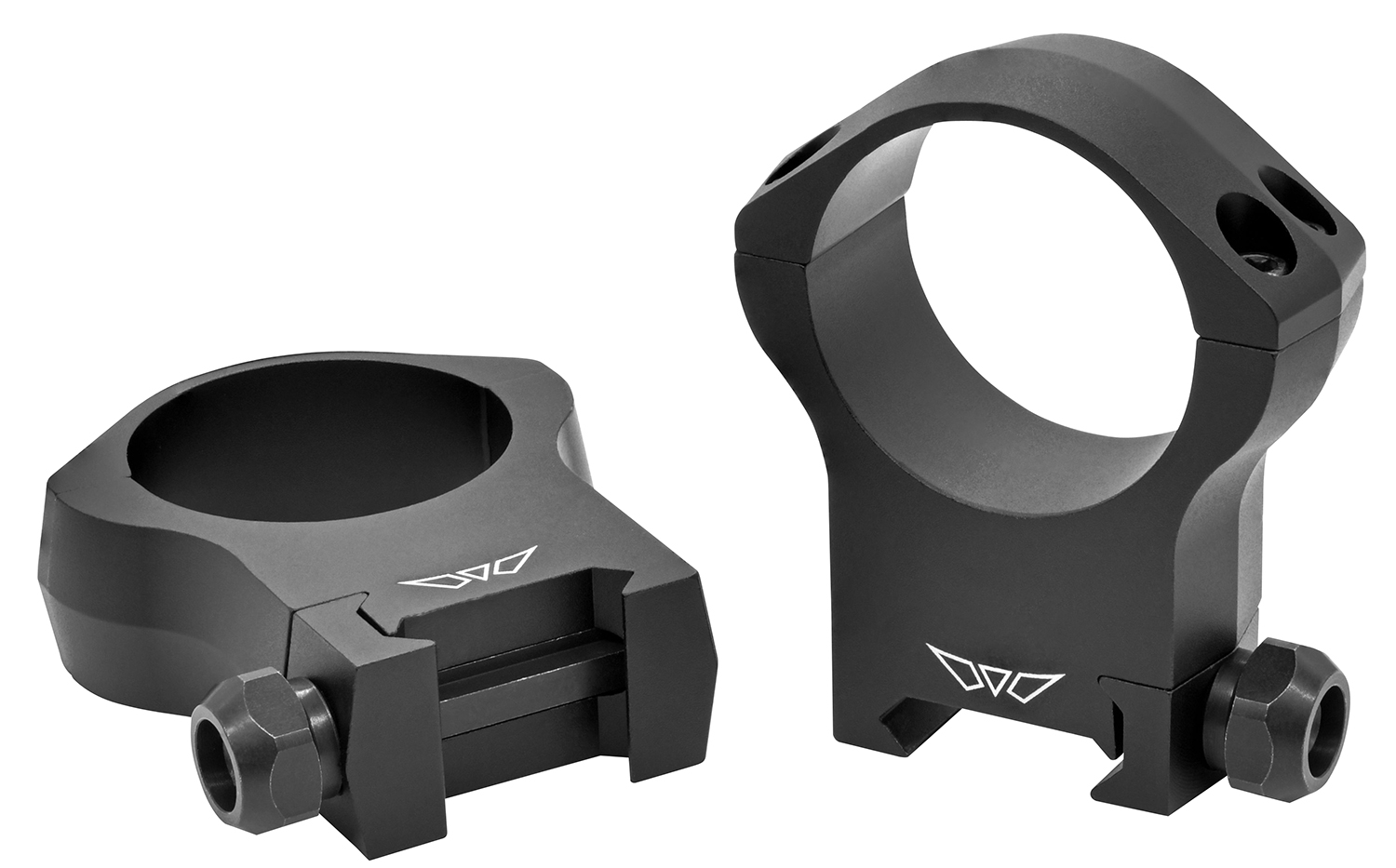
With the rifle unloaded and pointed in a safe direction, check the bore, action, safety, magazine, sling, stock, and visible fasteners. Inspect the optic for a clear image and consistent eye relief. Confirm that the bases and rings match the rifle and scope tube, then have mounting hardware checked to the appropriate specifications. Rings are not universal, and some scopes do not include them. If the rifle was dropped, transported extensively, or stored for a long period, verify the zero before taking it afield.
Use the Exact Hunting Load You Plan to Carry
Rifles can place different bullet weights and load designs at different points of impact. Sight-in and complete the final verification with the same manufacturer, cartridge, bullet weight, and load that will go into the field. Hunting soft points, polymer-tipped bullets, and other expanding designs are built for a different purpose than target ammunition. Confirm that the cartridge matches the chamber marking on the firearm, inspect every round, and never substitute ammunition based only on a similar-looking case.
Build a Useful Zero Instead of Chasing a Tiny Group
Begin at a short distance to make sure the first shots are safely on paper. Move to the distance chosen for the final zero only after confirming basic alignment. Fire deliberate groups from a stable rest, allow the barrel to cool when needed, and adjust from the center of a group rather than reacting to every shot. Record the ammunition and zero setting. A clean, repeatable group in the intended impact area is more valuable than repeated adjustments made while the shooter is tired or uncomfortable.
Practice From Positions You May Use in the Field
A bench is useful for establishing zero, but it does not recreate a tree stand, blind, shooting rail, or seated position. After the rifle is confirmed from the bench, practice safely from supported field positions at known distances. Learn how outerwear affects the stock fit and how quickly the optic can be found at its lowest practical magnification. Keep every shot within a distance and position where the shooter can consistently place it in the intended area.
Prepare the Rest of the Hunt as Carefully as the Rifle
Check the sling, hearing protection, hunter-orange garments, light, field-dressing equipment, navigation tools, and weather layers. Review the route into and out of the property, obtain landowner permission where required, and discuss safe shooting directions with everyone in the party. Carry the required proof of license and permits, maintain an accessible harvest log, and understand how to use Kentucky’s Telecheck system before leaving home.
Pre-Season Checklist
- Confirm the current season dates and property-specific regulations.
- Verify your deer zone, limits, license, and permit requirements.
- Check that the unloaded rifle fits the person who will use it.
- Inspect the bore, action, safety, magazine, stock, and sling.
- Confirm the optic, bases, and rings are compatible and secure.
- Match the ammunition label exactly to the firearm’s chamber marking.
- Zero with the same hunting load you will carry afield.
- Practice from a supported position similar to your hunting setup safely and responsibly at your local shooting range before going afield hunting or shooting…
Hunting Rifles
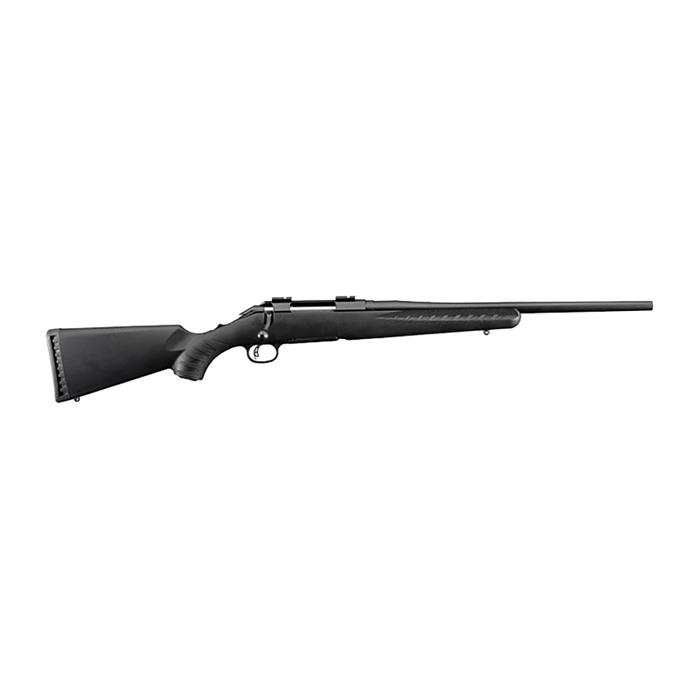
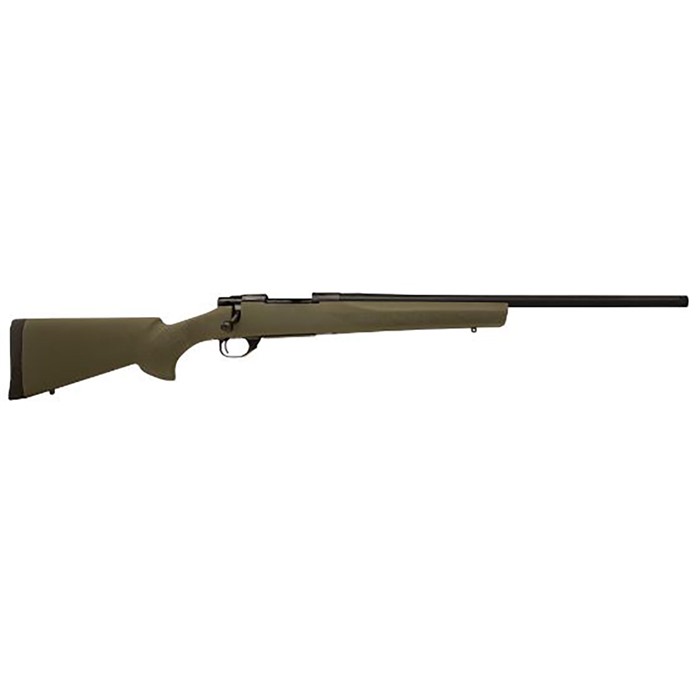
A dependable hunting rifle should fit the shooter, the terrain, and the distances you actually expect to encounter.
Hunting Ammunition
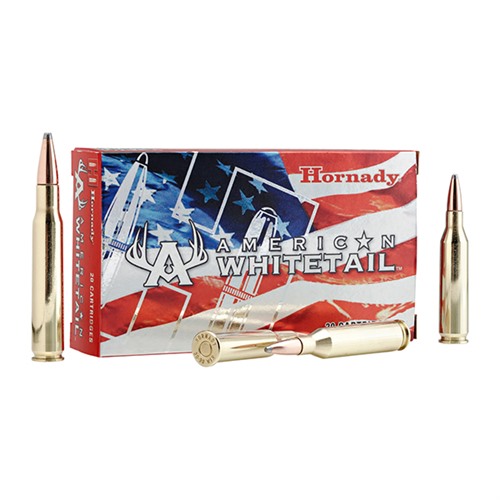
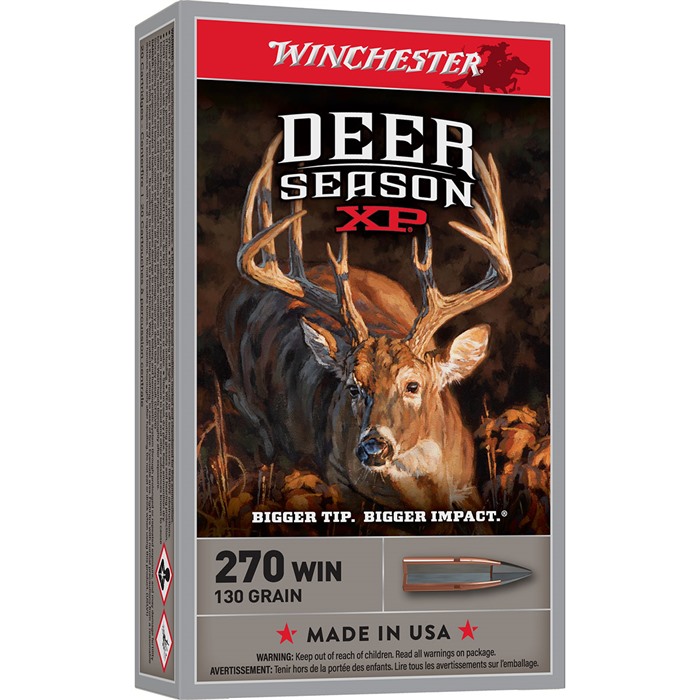
Confirm function and zero with the same hunting ammunition you intend to carry into the field.
Optics
Good glass and a verified zero deserve attention well before opening morning.
Rings & Mounts
An optic is only as trustworthy as the rings, mount, and rail holding it in place.
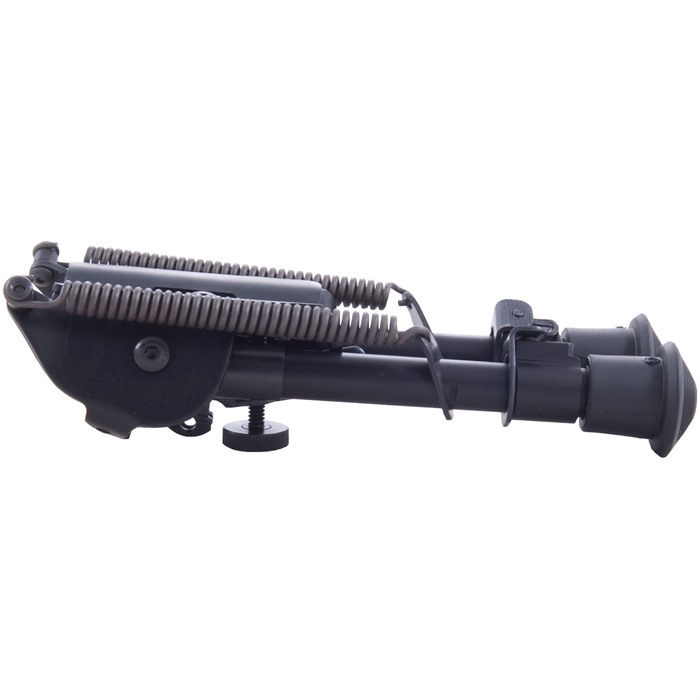
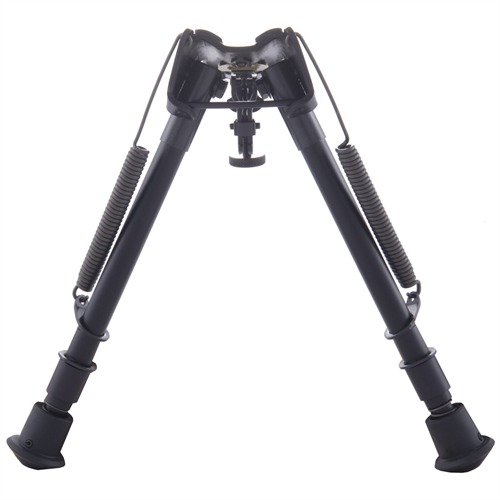
Bipods & Shooting Supports
A stable field position can matter as much as another notch of magnification.
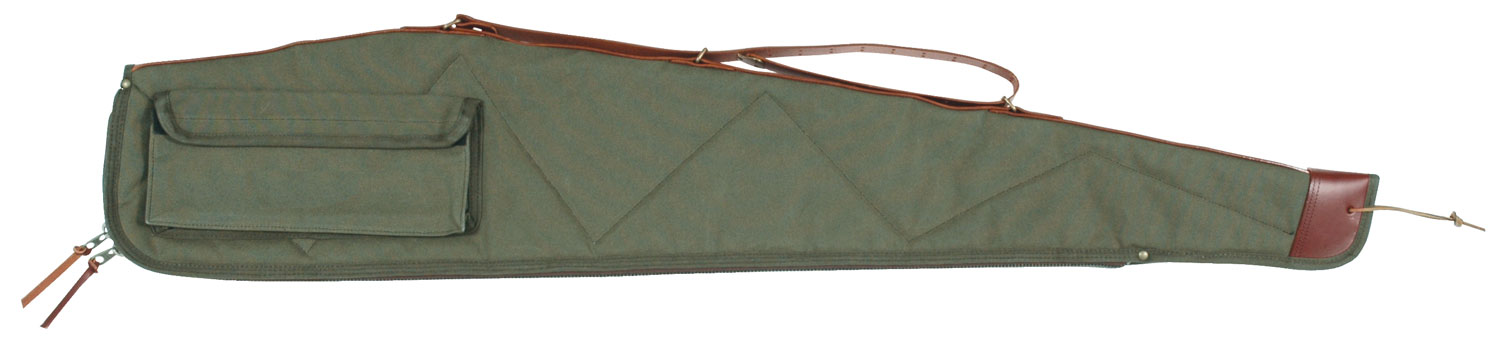
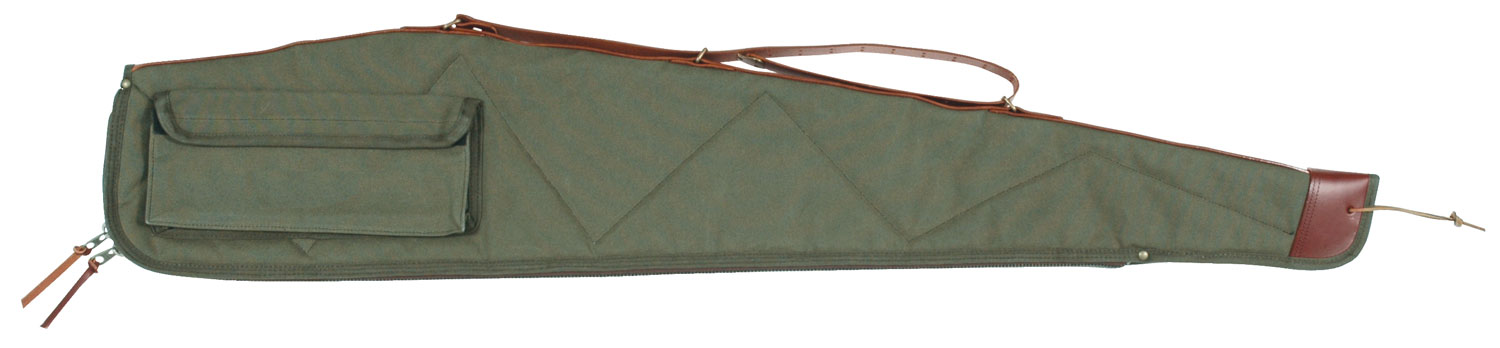
Slings & Cases
A good sling or case protects equipment and makes the walk in and out much easier.
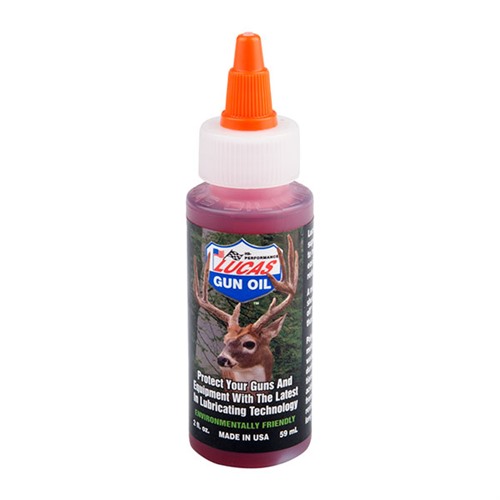
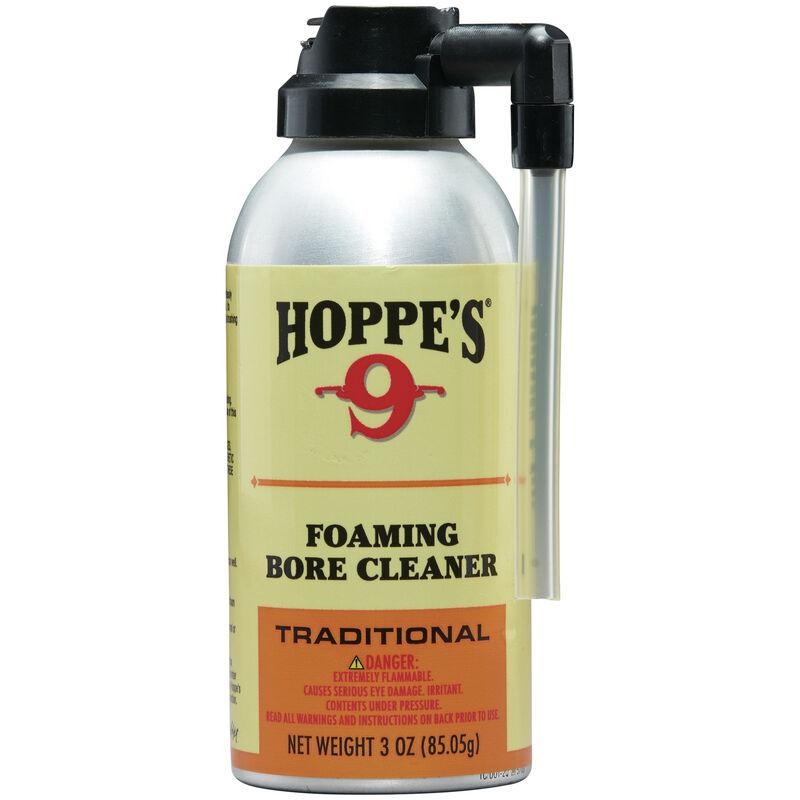
Cleaning & Maintenance
A clean, checked rifle is one less variable to worry about when the season arrives.
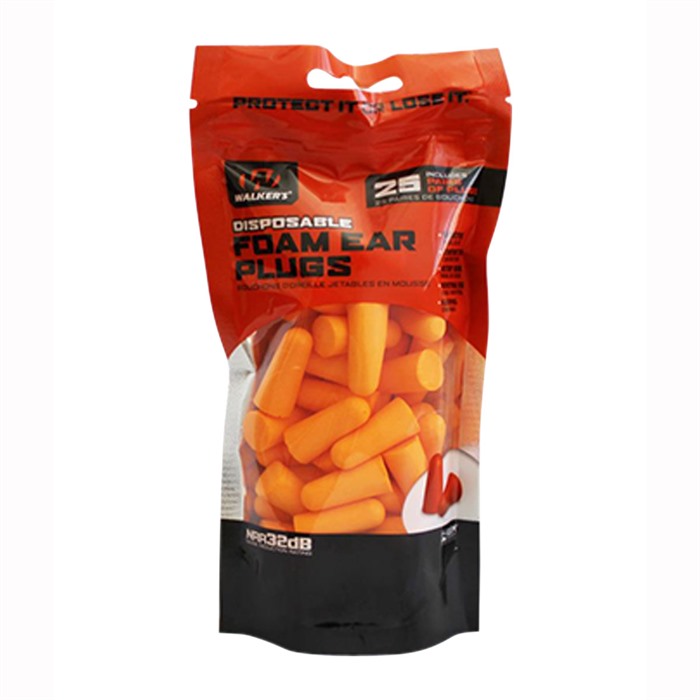
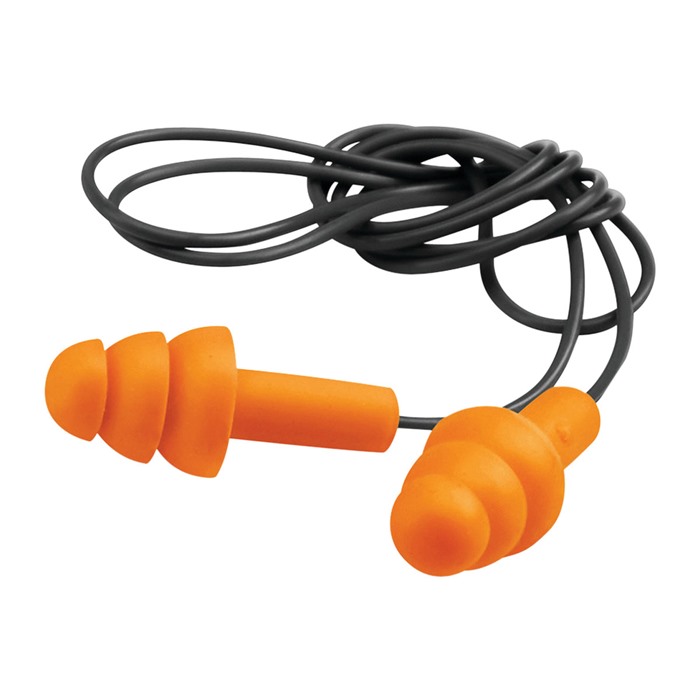
Other Useful Accessories
Small supporting items can make preparation and time in the field substantially easier.
Get Ready Locally
Madisonville Gun Company can help with equipment questions, training, and range time as you prepare for the season.
Guns. Training. Community.
Store & Range Hours
Tuesday - Sunday
9am - 6pm